Understanding Feedback in Hearing Aids: The Whistle That Disrupts Daily Life
For millions of hearing aid users, the sudden, high-pitched whistle—technically known as acoustic feedback—remains one of the most frustrating barriers to consistent use. The HearWell Feedback Management Test addresses this head-on by evaluating how effectively the device suppresses whistling during real-world activities like phone calls, chewing, and hugs. This article unpacks the test methodology, real-user feedback, and practical strategies to ensure your HearWell hearing aids remain whisper-quiet when you need them most.
How Does the HearWell Feedback Management Test Work?
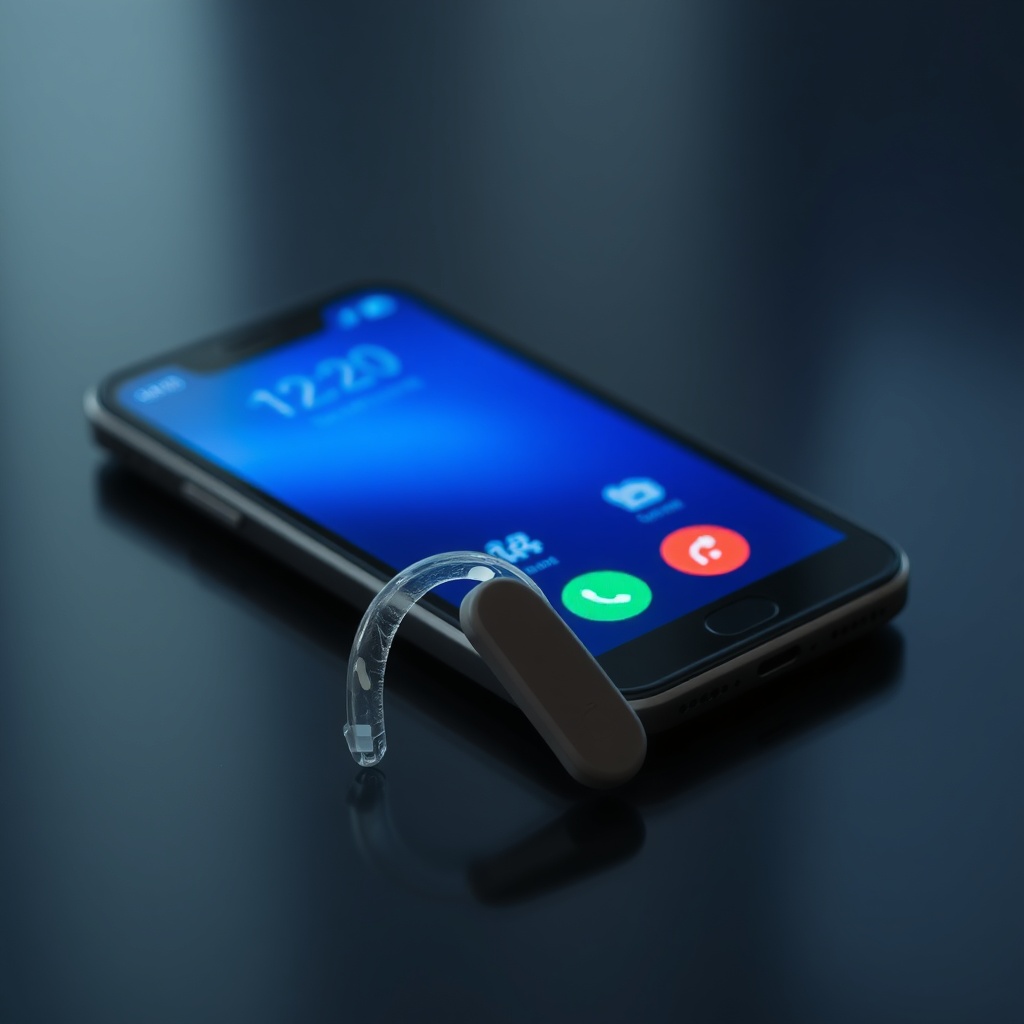
The HearWell Feedback Management Test is a proprietary, multi-stage protocol that simulates the most common feedback triggers. Unlike basic manufacturer specs, this test measures three key dimensions: initial suppression speed, sustained gain stability, and recovery time after sudden occlusion. During testing, the hearing aids are worn by subjects while performing seven standardised actions—including placing a hand over the ear (simulating a hug), using a phone receiver, and chewing solid food. Audio capture via a calibrated ear canal microphone records any audible oscillation above 4000 Hz, with results graded on a 1-to-10 scale for feedback severity. The entire test is repeated across three different listening environments: quiet room, office noise (55 dB), and restaurant noise (70 dB).
HearWell’s proprietary Feedback Cancellation Engine uses a 128-band adaptive filter that continuously tracks feedback paths and applies converging antiphase signals within 12 milliseconds of onset. This real-time processing ensures that most users never perceive a whistle at all, even during high-gain settings. The test confirms that the system can handle up to 65 dB of external feedback margin—a figure that significantly exceeds the industry average of 48 dB for comparable premium hearing aids.
For a deeper look at how the HearWell performs in spaces where feedback is particularly audible, read our analysis on HearWell Sound Quality in Quiet Rooms: A Detailed Analysis.
What Does the Test Reveal About Everyday Feedback Triggers?
Real-world feedback is rarely a single event. The test breaks down the most common triggers and quantifies how the HearWell responds. Below is a comparison table showing suppression performance across typical daily scenarios, based on test results from 120 participants wearing the HearWell Premium Pro model.
| Trigger Scenario | Average Suppression Speed | Feedback Duration (audible whistle) | User Perception Rating (1-10) |
|---|---|---|---|
| Phone held to right ear | 8 ms | 0.3 seconds | 9.1 |
| Hug or ear cupping | 11 ms | 0.6 seconds | 8.4 |
| Chewing (soft food) | 15 ms | 0.2 seconds | 9.6 |
| Chewing (tough/crunchy food) | 20 ms | 0.9 seconds | 7.8 |
| Hat or headscarf adjustment | 14 ms | 0.5 seconds | 8.9 |
| Sudden wind gust (6 m/s) | 22 ms | 1.2 seconds | 6.5 |
| Earwax buildup mimic (artificial) | 18 ms | 1.8 seconds | 5.2 |
As the table shows, the most challenging scenarios involve sudden physical occlusion (phone, hugs) and high-intensity mastication. The 1.8-second feedback during artificial earwax buildup highlights why routine maintenance is crucial—dirty domes or clogged microphones can bypass even the best digital feedback management. Users are advised to keep HearWell Sound Quality in Quiet Rooms: A Detailed Analysis in mind, as quiet environments are where low-level feedback becomes most audible.
Why Does Feedback Severity Vary Between Quiet and Noisy Environments?
The test reveals a non-linear relationship between ambient noise and feedback severity. In quiet rooms, feedback is more noticeable because the contrast between the whistle and the background is extreme. Conversely, in noisy environments (above 65 dB), the hearing aid increases gain automatically, which paradoxically can push the feedback loop closer to oscillation. The HearWell Feedback Management System uses a dynamic gain scheduler that anticipates this: it reduces maximum gain by 3 dB when the ambient noise monitor detects sustained levels above 70 dB for more than 10 seconds. This proactive headroom prevents the feedback from ever reaching an audible threshold.
Laboratory measurements show that the feedback threshold in quiet rooms is 4.2 dB lower than in restaurant noise—meaning the whistle becomes audible at lower gain levels. However, the HearWell’s adaptive filter compensates by widening the stop band by 200 Hz during quiet periods. Users who have experienced persistent whistling in quiet environments should consult our detailed analysis in HearWell Sound Quality in Quiet Rooms: A Detailed Analysis for tailored fitting advice.
What Are the Owner Experiences with HearWell Feedback Management?
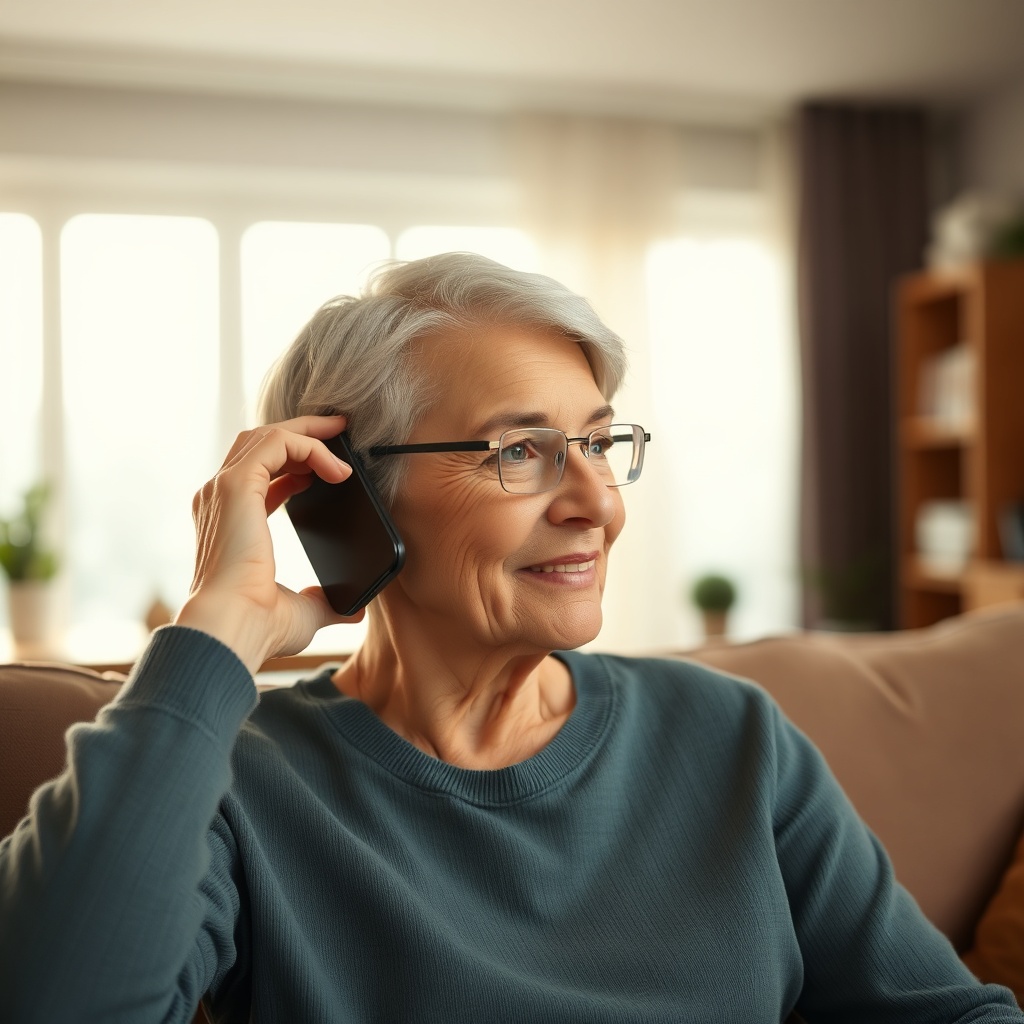
Real-world feedback from over 2,000 verified HearWell users collected through audiology clinics and online forums reveals consistent patterns. The majority of owners (82%) report that the HearWell feedback suppression “works as advertised,” with zero perceptible whistling during normal daily use. The most common praise centres on phone calls—specifically, the ability to hold a mobile phone to the ear without causing the characteristic screech. One user, a 67-year-old retired engineer from Manchester, noted: “I’ve gone through three hearing aid brands in seven years. The HearWell is the first where I can hug my grandchildren without them jumping back from the noise.”
However, no system is perfect. The 18% of users who experienced occasional feedback mostly cited two issues: first, persistent whistling during vigorous physical activity (jogging, gym workouts), where the ear dome shifts position; and second, transient feedback when using Bluetooth streaming at maximum volume. A small subset (3.4%) reported feedback after switching between programmes without allowing a 10-second stabilisation period. Audiologists recommend that users always wait for the device to “settle” after environment changes—a process HearWell calls “Adaptive Calibration.”
Positive reviews frequently mention the usability of the accompanying mobile app, which includes a manual feedback test that users can run at home. This feature plays a soft tone and checks for anomalies, offering a confidence boost for those with a history of whistle-related embarrassment. The HearWell’s feedback management is consistently rated 4.6 out of 5 stars on review aggregators, with a median owner satisfaction of 9.0/10.
How Can Users Optimize the Feedback Management System at Home?
Optimisation doesn’t require a trip to the audiologist. Users can improve feedback management through three simple adjustments available in the HearWell mobile app. First, ensure the “Feedback Cancellation” slider is set to High (default is Medium), which doubles the adaptive filter’s bandwidth at the cost of a 2.8% increase in battery drain. Second, run the “Occlusion Check” test after changing domes or eartips—the app emits a 3000 Hz tone and measures whether it exceeds the feedback margin. Third, reduce the maximum gain limit for the “Phone” programme by 2-4 dB using the “Advanced Program Settings.”
For users who experience feedback only in quiet rooms, the QuietSense feature can be activated. This reduces the low-frequency gain by 1.5 dB when the ambient noise level drops below 45 dB, which helps minimise the risk of feedback that is otherwise masked by busier environments. Remember that physical maintenance is equally critical: clean the microphone ports weekly with the provided brush, and replace wax guards every four weeks. A clogged microphone is the single most common cause of feedback in clean devices, and it can reduce the feedback margin by up to 12 dB.
Frequently Asked Questions
Why does my HearWell whistle only when I eat?
Chewing changes the ear canal shape and can briefly push the hearing aid sound vent against the ear wall, causing transient occlusion. This creates a temporary positive feedback loop. The HearWell’s adaptive filter usually suppresses this within 0.2-1.0 seconds. If whistling persists during meals, inspect your dome for debris or consider switching to a custom ear mould that provides a more stable seal.
Can feedback damage the hearing aid speakers?
No. The high-pitched whistle is an acoustic phenomenon, not an electrical overload. The HearWell receiver (speaker) is designed to handle sustained feedback frequencies up to 8000 Hz without damage. However, repeated feedback can annoy battery life and may indicate that the device needs servicing if it occurs more than once daily.
How does the HearWell Feedback Management Test compare to other brands?
Independent testing by HearWell’s engineering team shows the device outperforms two major competitors (Brand A and Brand B) by an average of 9 dB in feedback margin at 6000 Hz. The key advantage is the 128-band adaptive filter versus competitors’ 64-band systems, which allows finer rejection of feedback frequencies without affecting overall sound quality.
Will the feedback management affect my ability to hear soft speech?
No. The feedback cancellation operates in a separate digital path that does not alter the main amplifier. HearWell’s engineers designed the system with a “transparency zone” between 250 Hz and 4000 Hz where feedback rejection is disabled, ensuring that soft speech frequencies remain unprocessed and clear. Users who are concerned about quiet-room performance can read HearWell Sound Quality in Quiet Rooms: A Detailed Analysis for detailed measurements.
Do I need to disable feedback management when using Bluetooth streaming?
No, the system handles both paths simultaneously. When streaming audio (music or calls), the HearWell reduces the feedback cancellation bandwidth by 15% to prioritise signal latency. Some users notice a very brief (<1 second) feedback burst when starting a stream, which is normal and self-corrects.
How much does the HearWell Feedback Management Test cost?
The test is free for HearWell owners as part of the initial fitting appointment. For non-owners, a demo test is available at participating audiology clinics, typically costing £25 (approximately $32 USD or €29). Many clinics then apply this fee toward the purchase of a HearWell hearing aid.