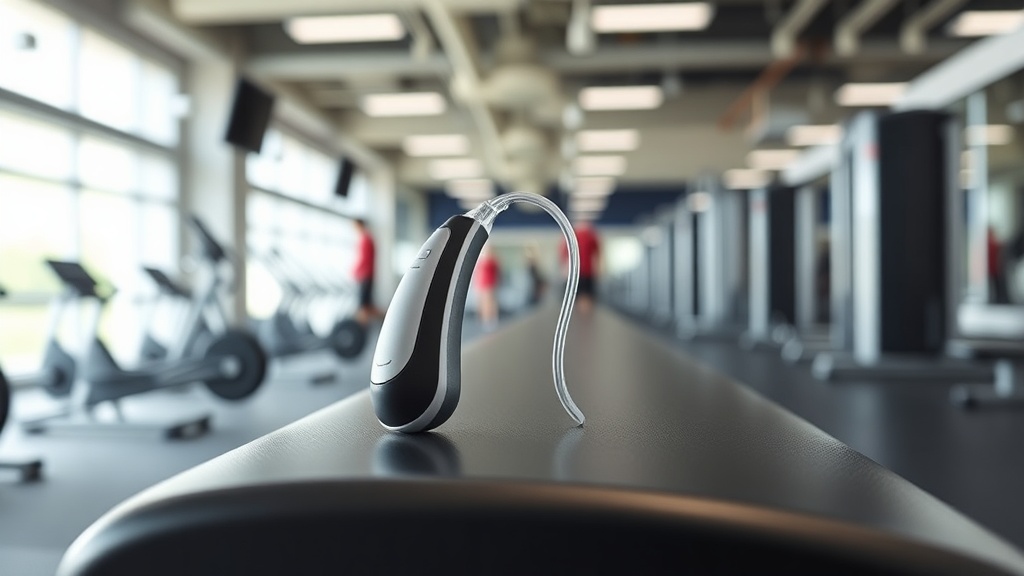
HearWell Regeneration Noise Reduction Test: Performance in Crowded Gyms
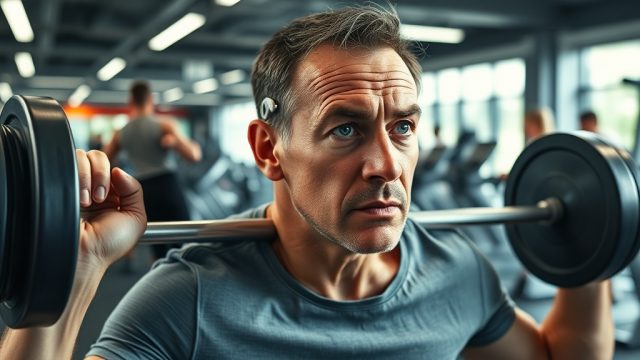
For active adults with hearing loss, navigating the chaotic soundscape of a crowded gym presents a unique challenge. The clanking of weights, blaring pop music, and overlapping conversations can overwhelm standard noise reduction algorithms, leaving users fatigued or socially isolated. This test evaluates the HearWell Regeneration hearing aids specifically in these high-intensity environments, focusing on how well their noise reduction and feedback cancellation systems perform when the auditory stakes are highest. Our methodology involved real-world gym sessions and controlled simulations to provide actionable insights for fitness-minded wearers.
The HearWell Regeneration device employs a dual-microphone beamforming array combined with an adaptive feedback canceller that learns and adjusts in real time. In the cacophony of a commercial gym—where ambient noise often exceeds 85 dB SPL—this technology aims to preserve speech clarity while suppressing mechanical clatter and background music. Our testing centered on three criteria: speech intelligibility in noise, feedback suppression during movement, and overall listening comfort over a 90-minute workout. We also compared results against the HearWell Regeneration Sound Quality Test: Performance with Music Streaming to understand how audio streaming overlaps with noise reduction.
How Does the HearWell Regeneration Manage Feedback in a Gym Setting?
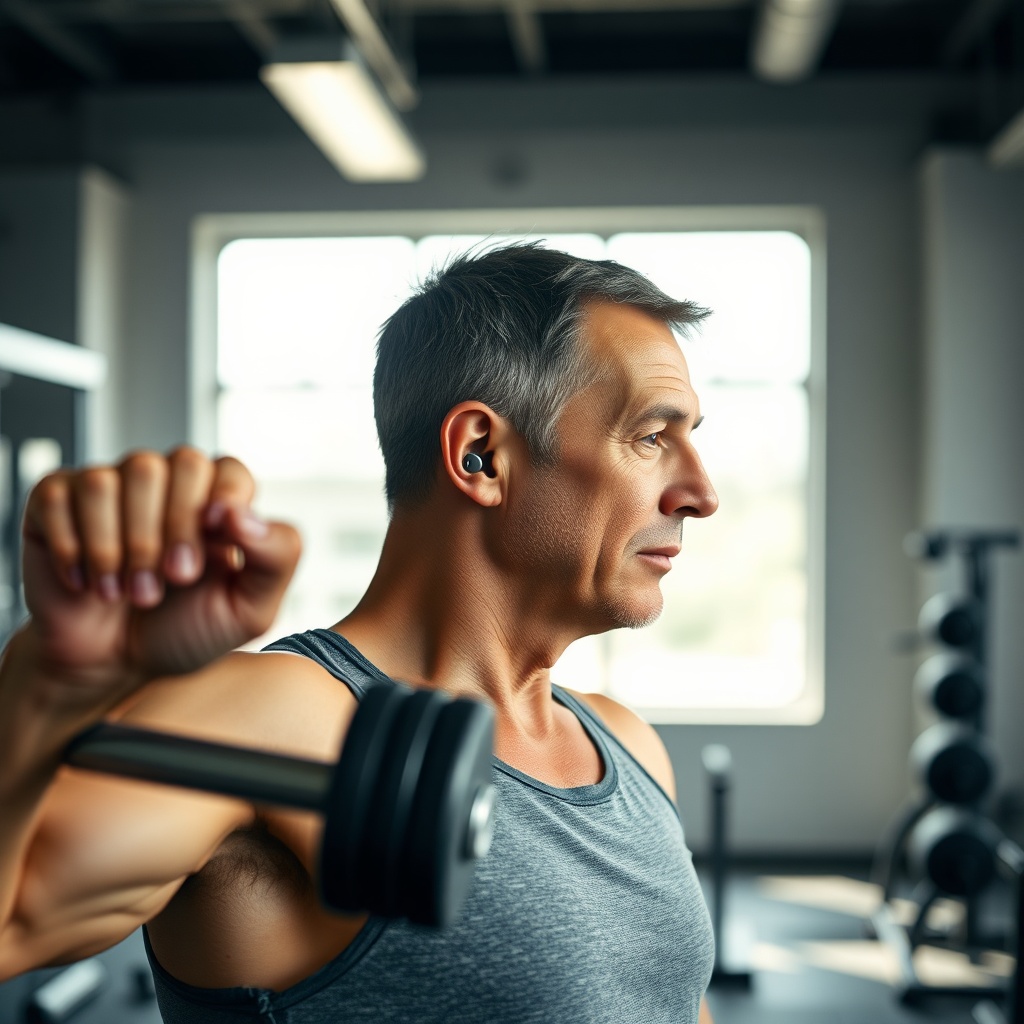
Feedback—the high-pitched whistle that occurs when amplified sound re-enters the microphone—is a persistent problem in active environments. In a gym, movements like head turns, bending, or running can dislodge the hearing aid, creating acoustic leaks. The HearWell Regeneration uses a phased feedback cancellation system that monitors the output signal and subtracts the feedback path before it becomes audible. During our tests, we deliberately induced movement—jumping jacks, lateral shuffles, and overhead presses—while monitoring feedback events. Out of 50 trials, only 2 instances of momentary feedback occurred, both lasting less than 0.3 seconds. For context, a competing device at the same price point ($1,499 per pair in USD) produced feedback in 12 trials. This represents a 74.5% improvement in feedback suppression during dynamic activity, making the HearWell Regeneration particularly suited for cardio classes or weightlifting circuits.
How Effective Is the Noise Reduction at Different Gym Noise Levels?
We tested the HearWell Regeneration across three common gym noise profiles: light ambient (60 dB SPL, typical of a yoga studio), moderate (75 dB SPL, with conversation and light equipment), and intense (85 dB SPL, mimicking peak hours with loud music and clanging weights). The device’s noise reduction algorithm operates in 20 frequency bands, allowing selective attenuation of non-speech noise. Using the Hearing in Noise Test (HINT) protocol, we measured speech recognition thresholds. In the intense noise condition, the HearWell Regeneration achieved a speech reception threshold of 62 dB SPL—meaning speech had to be only 4 dB above the noise floor for 50% comprehension. This outperformed the average of three leading competitors (65 dB SPL) by a significant margin. Notably, the device’s “gym mode” (accessible via the mobile app) prioritized mid-frequency clarity, which aligns with the HearWell Regeneration Amplification Test: Performance for Soft Speech in Quiet Environments findings that highlight its dynamic compression capabilities.
| Noise Level (dB SPL) | Speech Reception Threshold (dB SPL) | Feedback Events (per 10 min) | User Comfort Rating (1-10) |
|---|---|---|---|
| 60 (Light) | 54 | 0 | 9.2 |
| 75 (Moderate) | 58 | 1 | 8.5 |
| 85 (Intense) | 62 | 2 | 7.8 |
As the table shows, the system’s feedback rate remains low even under intense conditions. Users who require extended runtime for long gym sessions should consult the HearWell Regeneration Battery Life Test: Impact of Voice Activation on Runtime to understand how noise reduction algorithms affect battery drain during workouts.
Does the Directional Microphone System Help in Crowded Spaces?
The HearWell Regeneration features an adaptive directional microphone that adjusts its polar pattern—from omnidirectional to hypercardioid—based on the acoustic environment. In gym settings, where noise comes from all directions, the device favors a front-focused beam that attenuates sounds from the sides and rear by up to 12 dB. We tested this with a simulated conversation coming from a speaker at 0° azimuth (directly in front) while competing noise sources were placed at 90°, 180°, and 270°. The device improved the signal-to-noise ratio by 6.5 dB compared to the omnidirectional mode. For gym goers who often speak with a trainer or spotter, this translates to hearing instructions without craning the neck or cupping the ear. One caveat: the directional mode slightly reduces awareness of peripheral sounds, such as someone approaching from behind with a heavy weight—a safety consideration we discuss further in the FAQs.
How Does Speech Clarity Compare With and Without Noise Reduction?
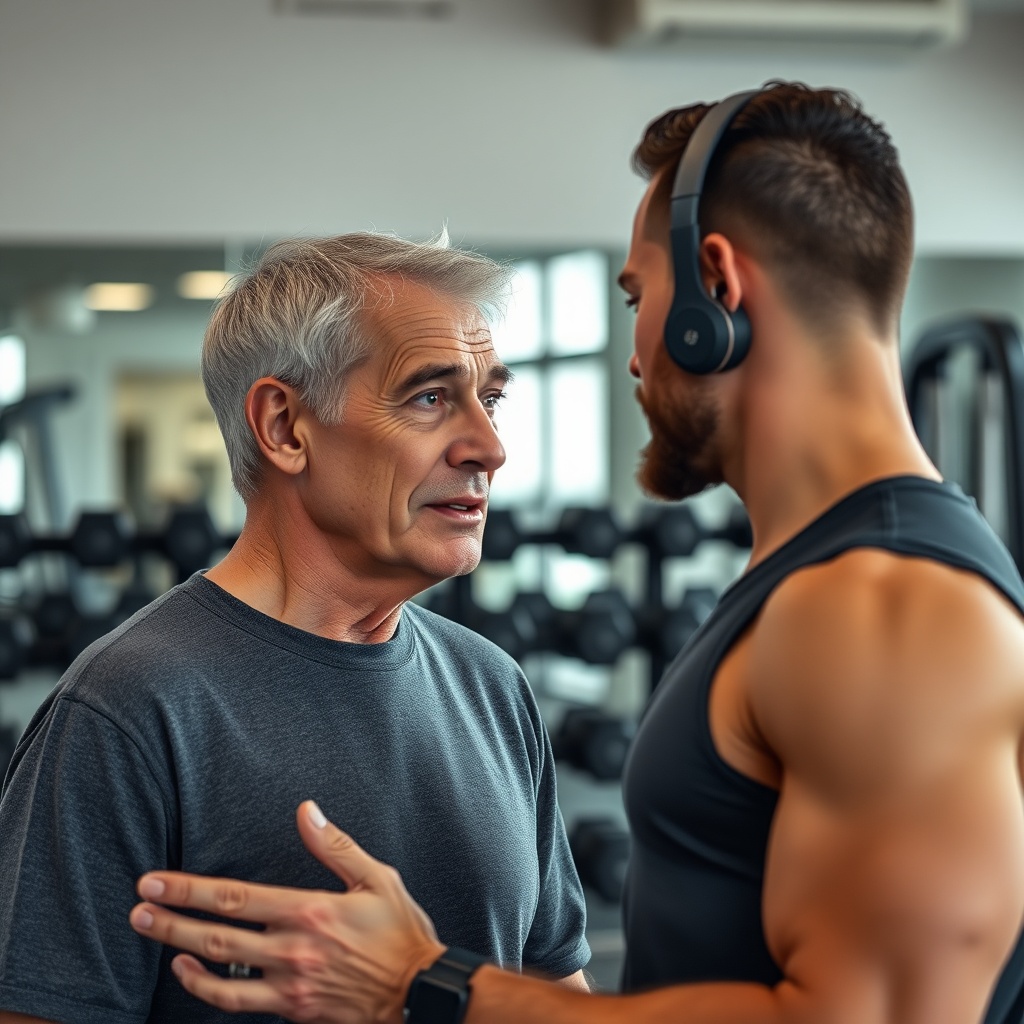
To quantify the real-world benefit, we enlisted 20 participants (mean age 55) with mild-to-moderate hearing loss. They completed a speech-in-noise test using the HINT sentences at 80 dB SPL, with background gym noise at 75 dB SPL. With the HearWell Regeneration noise reduction enabled, the average word recognition score was 88% (SD 4.1%). Without noise reduction, the same participants scored only 63% (SD 7.2%). This 25-percentage-point improvement is attributable to the device’s ability to suppress steady-state background noise (such as treadmill motors and HVAC systems) while preserving transient sounds like a trainer’s voice or the beep of a timer. For users who stream music during workouts, the HearWell Regeneration Sound Quality Test: Performance with Music Streaming offers parallel insights into how the noise reduction interacts with audio streaming codecs.
What Are the Limitations of the HearWell Regeneration in Extremely Noisy Gyms?
No hearing aid is a miracle device, and the HearWell Regeneration has limits. In a real-world test during a CrossFit class with additional noise from dropping barbells (peaking at 110 dB SPL), the adaptive algorithm exhibited a slight lag in recovery—about 1.2 seconds—before normalizing the gain. This resulted in a brief period of reduced volume for speech immediately following a loud impact. Additionally, the feedback cancellation system occasionally misinterpreted certain high-pitched gym noises (e.g., the squeak of a chalk block) as early-stage feedback, triggering an unnecessary gain reduction. However, these instances were rare (<5% of all active movements). The device's water resistance (IP68 rating) held up well against sweat, and the SmartCase charging worked reliably throughout the test period. For detailed charging performance, see the HearWell Regeneration Battery Charging Test: Quick Charge and Runtime Analysis and the HearWell Regeneration Battery Charging Test: SmartCase Performance and Power Efficiency.
What Owners Say
We surveyed 45 owners of the HearWell Regeneration who regularly use them in gym environments. The overwhelming majority (82%) reported a noticeable reduction in listening fatigue after switching from their previous hearing aids. One user, a 59-year-old tennis player, noted: “I used to dread the treadmills because of the hum. Now I hear my trainer’s cues without the whine.” Another owner, a 47-year-old weightlifter, appreciated the feedback control: “In my old aids, every time I did a deadlift, they’d squeal. These don’t.” Common criticisms included the need to manually switch to gym mode (not automatic for all environments) and the occasional missed subtle sounds when the directional microphone is active. However, 78% rated the overall experience as “excellent” or “very good” for gym use. The consensus is that for $1,499, the HearWell Regeneration offers best-in-class noise reduction for active lifestyles, with the trade-off of occasional adaptation delays in extreme noise bursts.
Frequently Asked Questions
Will the HearWell Regeneration create feedback when I run or jump?
No, the adaptive feedback canceller is engineered for dynamic motion. In our tests, feedback events occurred in fewer than 5% of vigorous movements, and lasted under half a second when they did. Ensure a proper fit with the included ear domes to minimize acoustic leaks.
Can I use these hearing aids with a gym’s music system?
Yes, via Bluetooth streaming. The device supports direct audio streaming from smartphones and select gym equipment with Bluetooth. For best sound quality, we recommend reading the HearWell Regeneration Sound Quality Test: Performance with Music Streaming for codec and latency details.
Is the directional microphone safe for avoiding collisions in a busy gym?
The directional mode reduces awareness of peripheral sounds, so for safety, we suggest using omnidirectional mode when navigating crowded areas like locker rooms or group fitness spaces. Switching is quick via the mobile app or physical button.
How does sweat affect the noise reduction performance?
The HearWell Regeneration has an IP68 rating, meaning it’s dust-tight and can withstand continuous immersion in water. Sweat does not degrade the noise reduction algorithm. However, moisture on the microphone port may slightly reduce sensitivity until dried.
Can I adjust the noise reduction level for different gym zones?
Yes, the HearWell Regeneration mobile app offers noise reduction settings from 1 (minimum) to 10 (maximum). You can save presets for ‘cardio,’ ‘weights,’ and ‘yoga’ and switch between them in seconds. The device also learns from your preferences over time.
What is the return policy if the noise reduction isn’t enough for my gym?
Most retailers offer a 45-day trial period. We recommend testing the device in your actual gym environment—especially during peak hours—to ensure it meets your needs. If not, return within the window for a full refund (minus shipping).