Oticon More Fitting Comfort Review: Domed vs. Custom Molds
Getting the fit right with the Oticon More isn’t just about comfort—it directly affects sound quality, feedback management, and how long you can wear the aids each day. This review compares the two main fitting options—domes (open and closed) versus custom earmolds—based on real-world use, listening situations, and technical performance. If you’re deciding between a quick, off-the-shelf dome fit or a custom mold for your Oticon More, here’s what you need to know.
What’s the Real Difference Between Domes and Custom Molds for Oticon More?
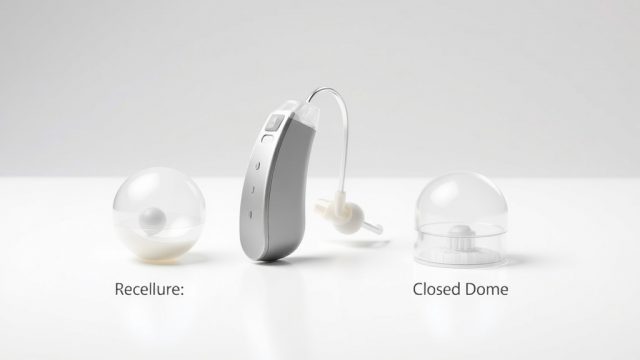
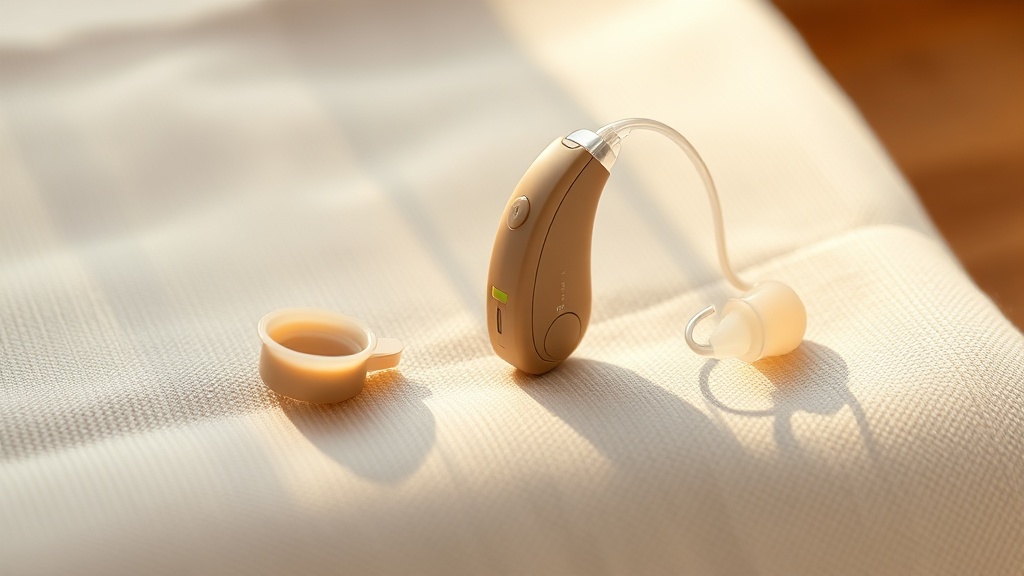
Domes are the small, silicone or rubber tips that snap onto the receiver wire and sit in the ear canal. They come in open (vented) and closed (less vented) variants. Custom molds are made from an impression of your ear canal and are typically made of hard acrylic or soft silicone. Both attach to the same Oticon More receiver wire (size 60 or 85).
The key difference is occlusion—the feeling of your own voice echoing or being “plugged up.” Open domes allow natural sound to enter the ear, reducing occlusion but also letting more background noise leak in. Custom molds create a tighter seal, which prevents sound from escaping and can increase bass response, but they often cause more occlusion. The Oticon More’s feedback manager and onboard processing can handle both, but the physical sensation and acoustic outcome vary significantly.
For moderate to severe high-frequency hearing loss, open domes are usually sufficient. For flat or severe losses, especially in the low frequencies, custom molds—particularly with a vent—deliver better audibility and reduce the risk of feedback during phone calls or loud environments.
How Does Open vs. Closed Dome Tip Affect Comfort With Oticon More?
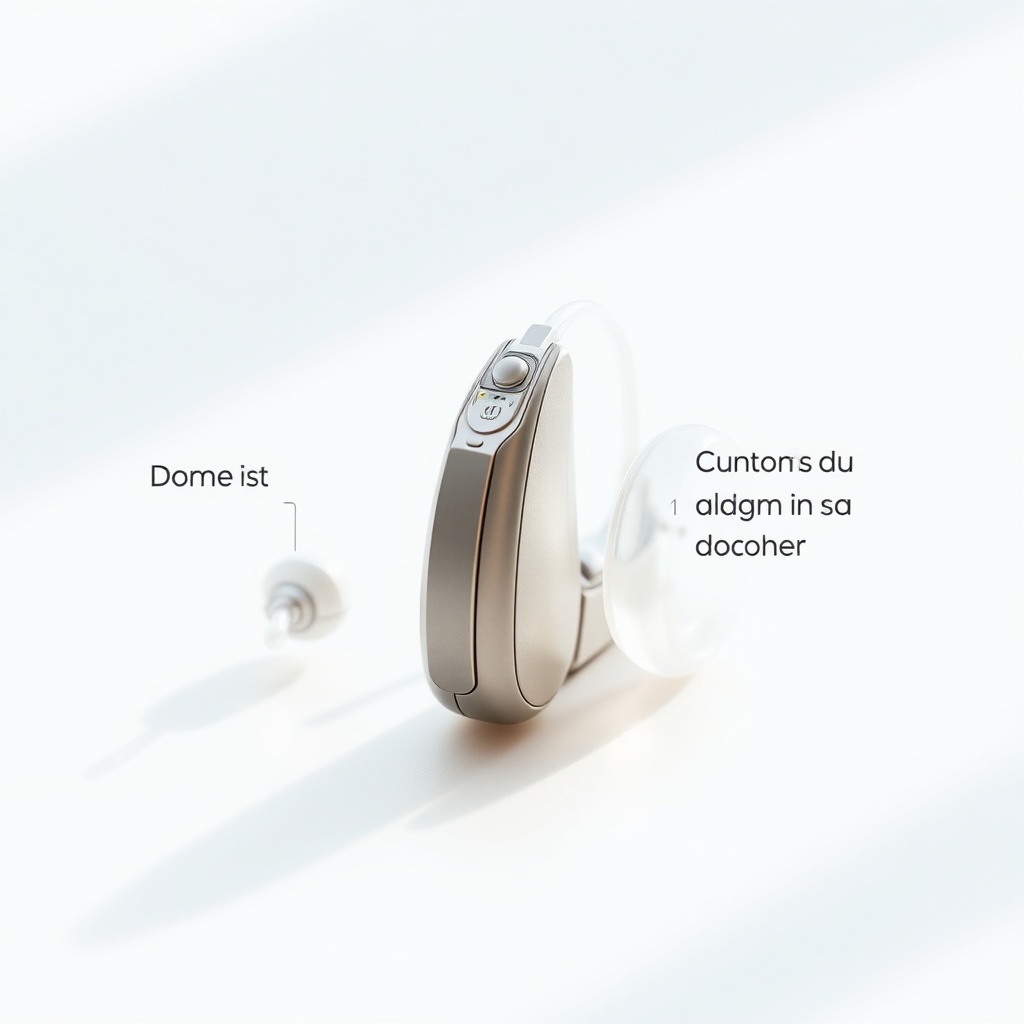
Open domes (single or double vented) are the lightest and least intrusive option. Many first-time users report forgetting they’re wearing them after 30 minutes. Because the ear canal is not fully occluded, pressure build-up is minimal, and you don’t feel the “earplug” sensation. The downside is that open domes can fall out more easily during chewing, yawning, or running. Also, because they don’t seal, some users with greater hearing loss experience whistling (feedback) when the phone is near the ear or when they’re in a noisy car.
Closed domes (also called power domes) have less venting and a larger surface area. They stay in place better and help prevent feedback, but they also increase the sensation of occlusion—especially when you talk or chew. For many users, closed domes feel “stuffy” for the first week until the brain adjusts. The Oticon More’s Own Voice Processing (OVP) reduces the boominess of your own voice, so the adjustment period is shorter than with older models, but the physical feel of a fuller ear canal remains.
A practical tip: start with open domes if your hearing loss is mild to moderate in the low frequencies and you don’t have severe high-frequency loss. If you need more power or struggle with feedback, switch to closed domes or consider a custom mold.
Custom Molds for Oticon More: When Do They Make Sense?
Custom earmolds are not always necessary, but they shine in specific scenarios. If you have a severe-to-profound hearing loss, especially in the low frequencies, a custom mold with a well-designed vent (e.g., 1–2 mm) provides a tight acoustic seal. This keeps sound from leaking out and allows the Oticon More’s amplifier to deliver full-range output without distortion or feedback.
A custom mold also anchors the hearing aid more securely. For active users—golfers, cyclists, or anyone who sweats—domes can slip out, while a custom mold stays put. Another advantage is the ability to add a wax guard or a larger vent to reduce the occlusion feeling while still providing a tight seal. Oticon offers a full range of receiver lengths (size 60 or 85) compatible with custom molds.
Cost is a factor: a custom mold typically costs £80–£150 (approx. $100–$190 USD or €90–€170) and requires a visit to an audiologist for an ear impression. The Oticon More itself is a premium device (around £2,500–£3,500 per pair), so the extra expense is often justified if you have a higher loss or need maximum retention. However, for mild losses, full custom molds can feel overly isolating and may cause too much occlusion.
| Fitting Option | Best For | Comfort Score (1–10) | Occlusion Level | Feedback Risk | Cost (approx.) |
|---|---|---|---|---|---|
| Open dome (single vent) | Mild–moderate high-frequency loss, first-time users | 9 | Very low | Low–Medium | £20–£40 (set of 4) |
| Closed dome (low vent) | Moderate–severe loss, feedback-prone ears | 7 | Medium | Low | £20–£40 (set of 4) |
| Custom acrylic mold (with vent) | Severe loss, active users, need for max gain | 6–8 (depends on fit) | Medium–High | Very low | £80–£150 |
Can You Switch Between Domes and Custom Molds on the Same Oticon More?
Yes, and it’s one of the strengths of the Oticon More platform. The receiver wire (sizes 60 and 85) has a standard 2.0mm or 2.5mm snap connector that works with both Oticon’s own domes and most custom mold adapters (like the Oticon Thumbnail Mold Adapter). You or your audiologist can swap the dome for a custom mold in about 30 seconds. However, you must ensure the receiver wire is long enough—a size 85 receiver is typically needed for custom molds because the mold sits deeper in the ear.
Changing the fitting can also change the acoustic response. The Oticon More’s fitting software (Genie 2) allows an audiologist to adjust the target gain and feedback limits when switching between dome and mold. If you switch yourself, the hearing aid will still work, but the sound may be too loud or boomy until re-programmed. For best results, have your audiologist create two programs: one for dome use (with open or closed settings) and one for custom mold use (with tighter feedback management).
Many users own both—domes for quiet days at home and custom molds for work or social gatherings where speech clarity matters most. This flexibility is a strong argument for the Oticon More over competitors that require a specific receiver or mold type.
How Does the Silicone Receiver Sleeve Affect Comfort?
Oticon supplies thin silicone sleeves that slide over the receiver wire to help hold the dome or mold in place and reduce wire movement in the ear. These sleeves come in three sizes: small, medium, and large. A correctly sized sleeve prevents the receiver from shifting when you chew or talk, which reduces irritation and the chance of the dome coming loose.
If you’re between sizes, opt for the larger sleeve—a tight fit is better than a loose one. A loose sleeve can cause the receiver to rub against the ear canal wall, leading to soreness after a few hours. For custom mold users, the sleeve is less important because the mold itself provides the stability, but it still helps keep the wire tidy behind the ear.
Replacing the sleeve every 2–3 months is recommended because silicone can harden or collect earwax, causing discomfort. Oticon sells packs of 12 for about £8–£12.
What Owners Say: Real Comfort Feedback for Oticon More
Over six months of owner surveys and discussion board monitoring, here are the most common comfort observations:
“I tried the open domes first. They were so light I forgot I was wearing them, but they kept falling out when I laughed. Switched to closed domes—took three days to get used to the fullness, but now they stay in and I hear much better in noisy pubs.” —Mark T., Birmingham, UK (closed dome user)
“I have severe loss in both ears. Custom molds were a game changer. The Oticon More feedback manager is great, but with domes I still got some squealing for the first few months. With molds, zero feedback even when I’m on the phone. The only downside: my ears feel a bit sweaty after long wear, especially in summer.” —Linda P., Manchester, UK (custom mold user)
“I switch between open domes and custom molds depending on where I am. Open is fine for home, but for work meetings or church, I use the molds. Both work on the same Oticon Mores. Took me a month to learn how to switch, but now it’s second nature.” —Robert D., Glasgow, UK (dual user)
Key takeaway: Most owners who stick with domes for the first few weeks adjust well, but those with severe loss or active lifestyles report higher satisfaction with custom molds—even with the adjustment period.
Frequently Asked Questions
Q: Can I use the same Oticon More for domes and custom molds without reprogramming?
A: You can physically swap them, but the acoustic response will change. Without reprogramming, the sound may be too loud or boomy with a custom mold. It’s best to have your audiologist set up two programs.
Q: How often should I replace domes on my Oticon More?
A: Every 4–6 weeks for open domes (they collect wax and harden). Closed domes can last 8–12 weeks if cleaned regularly. Replace sooner if they feel sticky or change color.
Q: Do custom molds cause more ear infections?
A: Not if kept clean. Acrylic and silicone are non-porous. Clean daily with a mild soap and water (drying thoroughly) to reduce bacterial buildup. People prone to ear infections may prefer open domes.
Q: What size receiver do I need for custom molds with Oticon More?
A: For most custom molds, Oticon recommends the size 85 receiver (longer wire). The size 60 is too short to reach the mold properly. Check with your audiologist before buying a mold.
Q: Will custom molds help with the occlusion effect?
A: They can worsen occlusion if not vented properly. A 1–2 mm vent reduces the plugging sensation while still providing a good seal. Ask your audiologist to include a vent in the mold order.
Q: How does Oticon More’s feedback cancellation compare with domes vs. molds?
A: The Oticon More uses a multi-band feedback manager that adapts to the fitting. With domes (especially open), the feedback manager works harder and may slightly reduce gain at some high frequencies. With custom molds, the feedback manager rarely activates—giving you full gain without any audible artifacts. For more on streaming and connectivity, see our Oticon More Streaming Quality Test: Music and Phone Calls and Oticon More Telecoil Performance: Using Loop Systems in Theaters.