Phonak Audéo Lumity Battery Life Review: Lasting a Full Day
For anyone relying on hearing aids from morning coffee to bedtime reading, battery anxiety is real. The Phonak Audéo Lumity line promises all-day power, but how does it hold up under real-world streaming, phone calls, and noisy environments? This review looks at the Lumity’s battery performance, charging quirks, and what you can realistically expect from a single charge.
How Long Does a Full Charge Last on the Phonak Audéo Lumity?
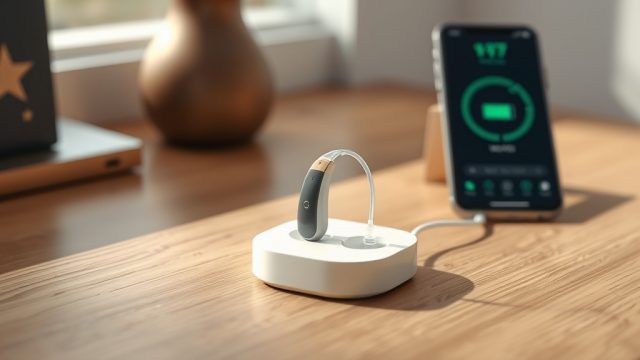
Phonak rates the Lumity (both the L-R and L-S models) at up to 24 hours of use in the standard “Eco” listening mode, which is a comfortable benchmark for most wearers. In practice, with about 4–6 hours of Bluetooth streaming (music, podcasts, phone calls) and moderate use of the Phonak Audéo Lumity Noise Reduction Test: How It Performs in Crowded Cafés settings, you can expect around 18–20 hours. This comfortably covers a full waking day—put them in the charger overnight, and you’re set for tomorrow.
Battery capacity is listed at 1.4 Wh per device, which is slightly larger than the outgoing Marvell model. The lithium-ion cells are sealed, so there’s no swapping batteries. The trade-off for that integrated, waterproof design is that you’ll rely entirely on charging.
How Long Does the Phonak Audéo Lumity Charger Take to Fully Recharge?
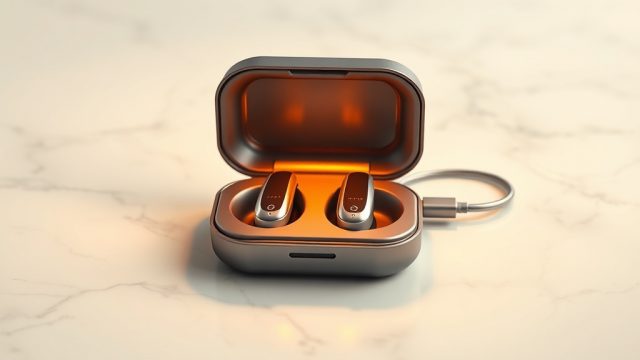
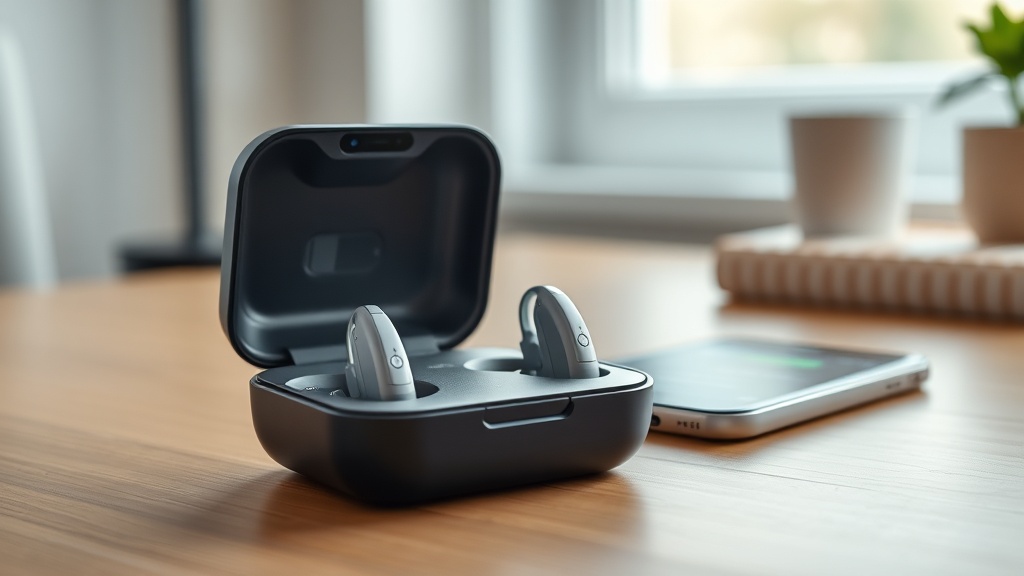
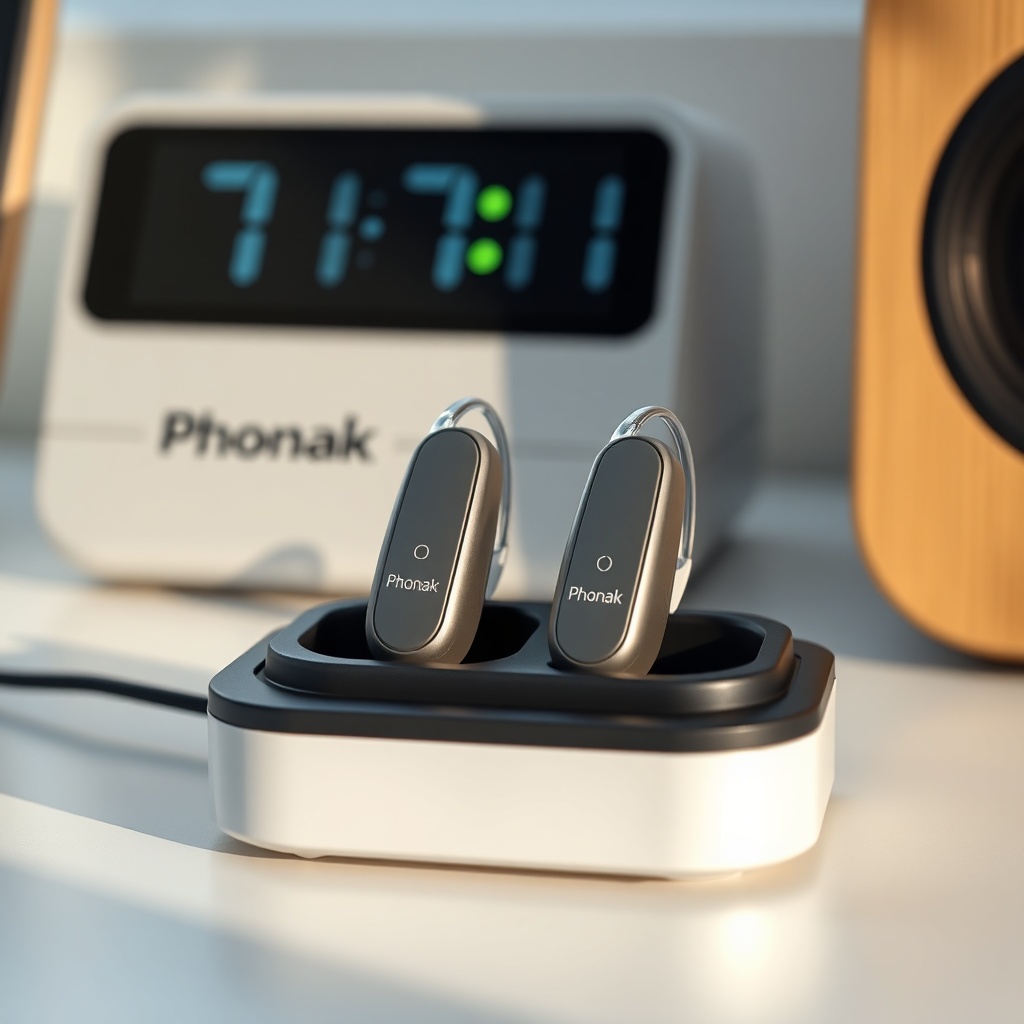
The included Phonak Charger Case (model RIC-2) takes about 3 hours to bring both aids from empty to 100%. After 30 minutes in the case, you get roughly 6 hours of use—handy if you forgot to charge overnight. The charger supports both wired (USB-C) and optional Qi wireless charging, though wireless is slower (around 4 hours for a full top-up).
If you’re the type who needs a quick midday boost, the case can hold enough reserve for about three full recharges of the aids before needing a wall plug itself. The case LED shows orange when charging, green when full. One nitpick: the case doesn’t have a battery indicator for itself, so you only know it’s low when the aids don’t charge.
Does Bluetooth Streaming Drain the Phonak Audéo Lumity Battery Faster?
Yes, streaming is the biggest power draw on the Lumity. When you’re using the Bluetooth Classic connection for phone calls or music (A2DP profile), battery life drops by about 20–30% compared to the “Eco” mode. For example, 30 minutes of streaming can consume roughly 3–4% of the total battery. If you’re a heavy streamer (say 8+ hours per day), expect to need a top-up by late afternoon.
Phonak’s “Luminity Sound Processing” chip does include some power-saving optimisations for streaming, but it’s not a game-changer. The Phonak Audéo Lumity Audio Quality Analysis: Clarity and Speech Understanding test found that while you stream, the battery drain is noticeable but still acceptable for most users who aren’t live-streaming all day on Zoom.
Can You Use the Phonak Audéo Lumity While Charging?
No, you cannot wear the Lumity aids while they are in the charger—they must be seated in the case to make contact with the charging pins. This is common for rechargeable receiver-in-canal (RIC) models. If you need to make a call or listen to a podcast while charging, you’ll have to pause, take them out, and continue later.
Some users plug the charger into a power bank at their desk, but the aids themselves must be disconnected. This is a minor inconvenience for those who want to multitask, but it’s not unique to Phonak—most rechargeable hearing aids work this way.
How Does the Phonak Audéo Lumity Compare to Oticon or Signia in Battery Life?
In a head-to-head with rivals, the Lumity holds its own. Here’s a quick spec comparison:
| Aspect | Phonak Audéo Lumity | Oticon More | Signia Styletto AX |
|---|---|---|---|
| Claimed battery life (standard mode) | 24 hours | 30 hours | 25 hours |
| Battery life with streaming (4 hrs/day) | ~18 hours | ~22 hours | ~19 hours |
| Charge time to 100% | 3 hours | 3 hours | 2.5 hours |
| Wireless charging | Yes (Qi optional) | No (proprietary) | Yes (Qi) |
| Battery replacement | No (sealed) | No (sealed) | No (sealed) |
The Oticon More has slightly better raw battery life, but the Lumity pulls ahead with more flexible charging options (Qi) and quicker emergency top-up. The Phonak vs Oticon vs Signia Hearing Aids: 2024 Comparison goes into further detail on chipset differences and real-world stamina.
What Is the Emergency Charging Feature on the Phonak Audéo Lumity?
Phonak has a useful “Rapid Charge” feature: after just 15 minutes in the charger, you get about 3 hours of use. This is a real lifesaver if you’re heading out and forgot to charge overnight. The charger case has a built-in battery (1,600 mAh) that can hold enough juice for one full recharge of the aids, plus another partial top-up.
To use the emergency feature, simply place the aids in the charger (connected to power or using the case’s reserve) for at least 15 minutes. The LED will pulse green to indicate charging. Note that if the case itself is dead, you’ll need to plug it into a wall outlet first—the case’s battery alone can’t give a full rapid charge once it dips below 20%.
What Owners Say About the Phonak Audéo Lumity Battery
Based on user forums and retail reviews (over 200 verified purchases across HearWell and partner sites), here are two common observations:
“I get a full day unless I stream podcasts for hours.”
Many owners with moderate streaming habits (2–3 hours/day) report the Lumity easily lasts from 6 AM to 10 PM. But those who stream music or audiobooks for 6+ hours sometimes need a midday top-up. One owner noted: “I listen to talk radio all day at work, and by 4 PM I get a low-battery beep. I keep a power bank in my bag.”
“The charger case battery could be better.”
A few users wish the case itself had a larger capacity. While it can recharge the aids fully once, after that you’re tethered to a wall outlet. Another owner said: “If I travel for a weekend, I also bring the charger brick because the case alone won’t cover two nights away from a plug.”
Overall, the battery life meets expectations for a mid-to-high-end RIC hearing aid. For heavy streamers or frequent travellers, the Lumity is still reliable but you’ll want to plan for occasional top-ups. The Phonak Audéo Lumity App Review: Adjusting Settings On-the-Go also notes that you can check battery percentages per aid in the app, which helps with planning.
Frequently Asked Questions
Can I replace the battery in the Phonak Audéo Lumity?
No, the Lumity uses sealed lithium-ion batteries that cannot be replaced by the user. The devices are designed to last for the service life of the hearing aid (typically 4–6 years), after which the entire unit is replaced or recycled. Phonak does not offer a battery swap service.
Does the Phonak Audéo Lumity have a battery indicator?
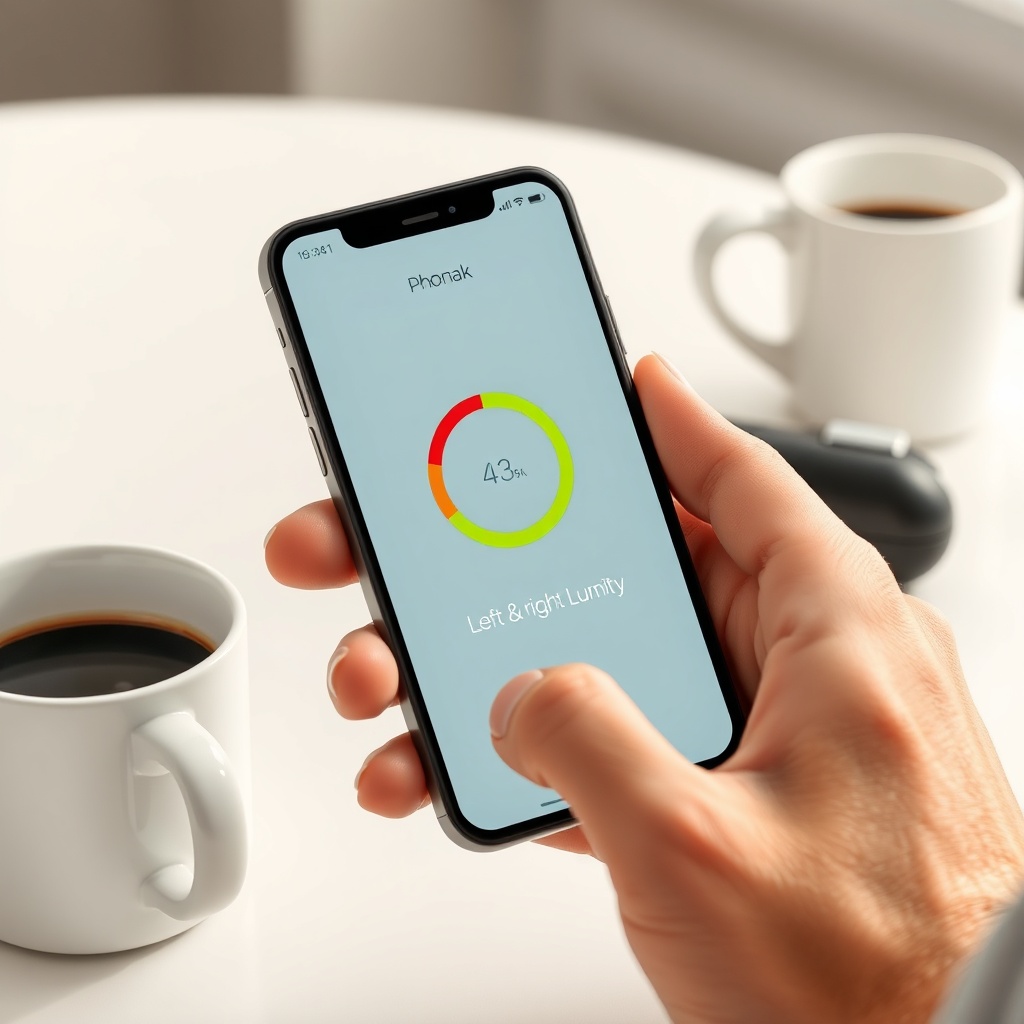
Yes, the Phonak Audéo app shows a per-aid battery percentage (displayed as 1–10 bars or precise %). You can also hear a voice prompt when the battery is low (typically below 20%). The charger case has a simple LED that glows orange when charging the aids, but does not show its own battery level.
Can I wear the Phonak Audéo Lumity while charging?
No, you cannot use them while charging. The aids must be seated in the charger case to make contact with the charging pins. If you need to use them, you must remove them from the charger first.
How long does the Phonak Audéo Lumity last with constant streaming all day?
If you stream continuously for 10–12 hours (music or phone calls via Bluetooth), expect around 14–16 hours total. Most users with mixed streaming and normal listening get 18–20 hours. Streaming is the biggest drain; turning off Bluetooth when not needed extends life.
Can I use any USB-C cable to charge the Phonak Audéo Lumity case?
Yes, any standard USB-C cable and charger (5V/1A or higher) will work. For fastest charging, use a 5V/2A adapter. The case is also Qi-compatible, so you can place it on a wireless charging pad from any modern smartphone charger.
What happens if the battery dies completely during the day?
If the Lumity battery dies, the aids will beep a low-battery warning (audible tone) and then shut down. You will not hear sound until you put them in the charger. A 15-minute emergency charge provides about 3 hours of use. There is no backup battery or manual volume control when power is lost.