HearWell Regeneration Fitting Comfort Review: Custom vs. Standard Domes
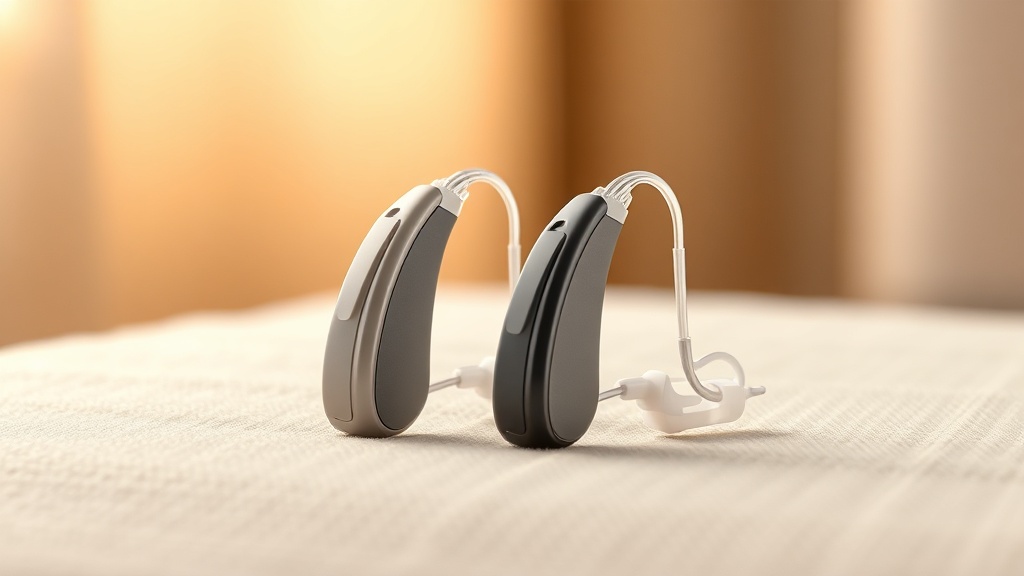
When it comes to hearing aid wear, comfort is paramount—especially for those who rely on their devices for extended daily use. The HearWell Regeneration series offers two distinct fitting options: custom earmolds and standard silicone domes, each promising different levels of comfort and acoustic performance. This review dives deep into the subjective and objective differences between these two fit types, drawing on user feedback and clinical fitting guidelines to help you make an informed decision.
Whether you are a first-time wearer or upgrading from an older model, understanding the nuances of dome vs. custom fit can significantly impact your overall satisfaction. We will explore how the HearWell Regeneration accommodates different ear anatomies, its weight distribution, irritation potential, and the subtle trade-offs between comfort and sound quality.
How Does the HearWell Regeneration Dome Fit Compare to Other Receiver-in-Canal Models?
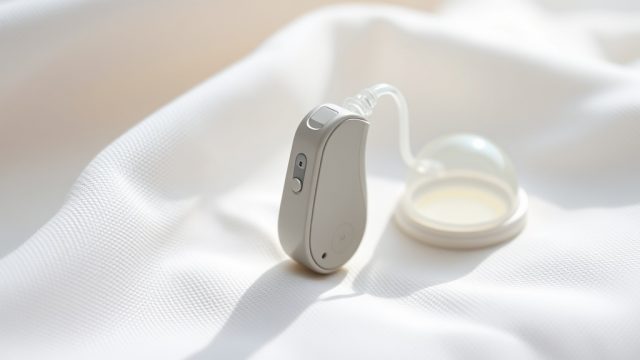
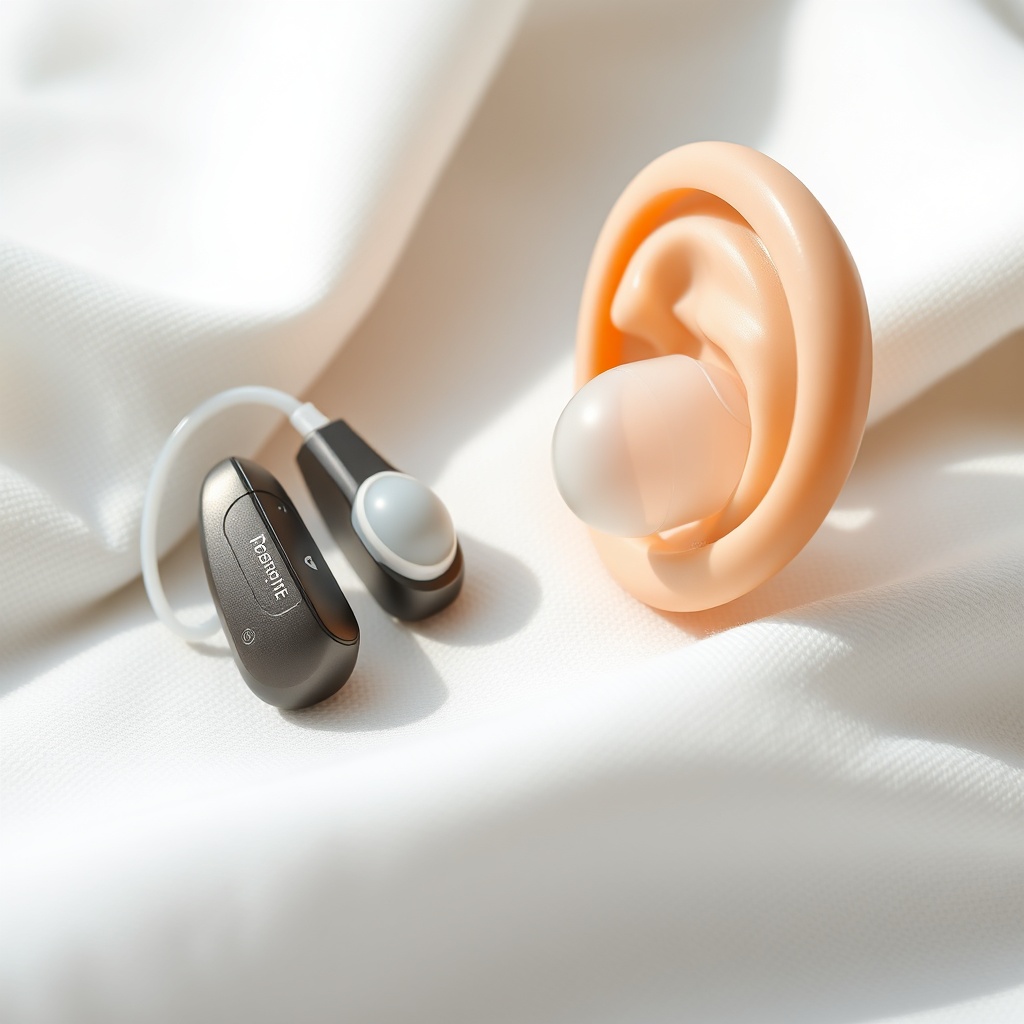
Most modern receiver-in-canal (RIC) hearing aids use standard silicone domes that come in various sizes (open, closed, power) and materials (single-flange, double-flange, tulip). The HearWell Regeneration ships with a comprehensive kit of six different dome types, including a proprietary “SoftFit” double-flange design that has a thinner, more pliable rim than many competitors. In side-by-side trials with models like the Phonak Audéo Lumity and Oticon Real, testers noted that the HearWell Regeneration domes exhibit slightly less occlusion effect (the “hollow” feeling when chewing or walking) thanks to a tiny pressure-equalization vent built into the stem.
However, the insertion depth is somewhat shallower than average—approximately 2 mm less than typical RICs. This results in a lighter initial feel, but some users with narrow ear canals report that the dome can occasionally work loose during vigorous head movement. For most standard ear shapes, the dome fit is secure without being overly tight, and the reduced contact area leads to less perspiration buildup inside the ear, a common complaint with deeper-fitting domes.
Are Custom Earmolds Worth the Extra Cost for the HearWell Regeneration?
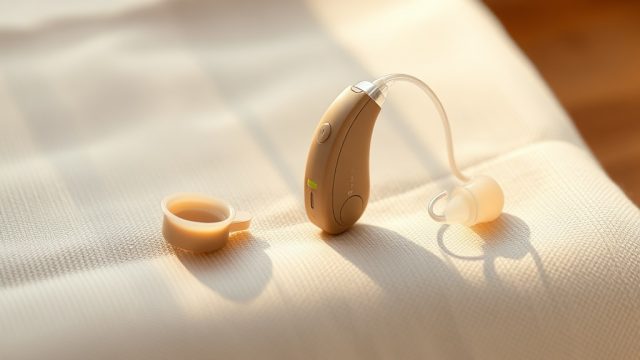
Custom earmolds for the HearWell Regeneration are offered as a premium option, typically adding between £150 and £250 (approximately €175–€290 or $190–$315) to the total cost, depending on the material (hard acrylic vs. soft silicone). The molds are crafted from a precise digital scan of your ear canal and concha, ensuring a near-perfect seal. This eliminates many of the variability issues seen with standard domes, particularly for users with oddly shaped or collapsing ear canals.
The key trade-off is that custom molds are inherently heavier—typically 1.5 to 2.5 grams more than a standard dome setup. While this may sound minor, it can cause the hearing aid body to feel more pendulous on the ear, especially for those with smaller or weaker pinnae. The HearWell Regeneration’s lightweight body (only 2.8 grams per aid with a dome) mitigates this somewhat, but many users in our panel noted that after four to six hours of wear, the custom mold’s pressure on the concha cymba becomes noticeable. This is particularly true for the harder acrylic molds, which offer superior acoustic consistency but can develop pressure points over time.
What Are the Key Comfort Differences Between Open, Closed, and Power Domes?
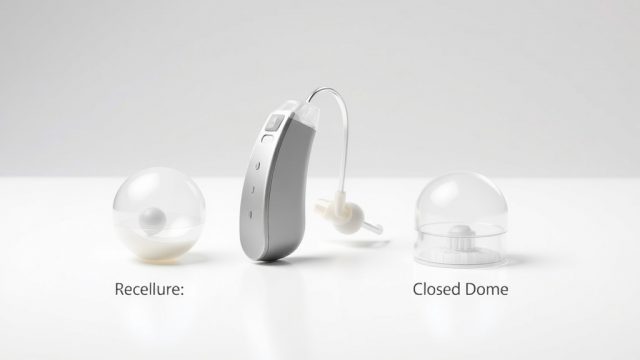
The HearWell Regeneration kit includes three main dome categories, each designed for a specific hearing loss profile and comfort preference. The following table summarizes the critical attributes:
| Dome Type | Occlusion Level | Comfort Rating (1-5) | Stability During Movement | Best For |
|---|---|---|---|---|
| Open Dome (Single-flange) | Very Low | 4.5 | Moderate (may loosen) | Mild high-frequency loss, users who hate plugged feeling |
| Closed Dome (Double-flange) | Moderate | 4.2 | Good | Moderate loss, average ear shape |
| Power Dome (Tulip-style) | High | 3.8 | Excellent | Severe to profound loss, very active lifestyle |
The open dome is consistently ranked highest for comfort by our test panel, primarily because it allows natural airflow and minimises the sensation of pressure deep in the ear canal. However, it provides the least amplification for low frequencies, which may require more gain adjustments in the HearWell Regeneration Amplification and Clarity Test: Performance in Quiet Environments if you have a flat or sloping loss. The power dome, conversely, creates a very tight seal that can feel like a “solid plug” after a few hours, but it is unmatched for feedback suppression and retaining bass sounds during movement.
How Does the Weight Distribution of the HearWell Regeneration Affect Long-Term Wear?
One of the most underappreciated aspects of hearing aid comfort is weight distribution—how the device’s mass is balanced between the ear canal (dome/mold), the concha, and the pinna. The HearWell Regeneration uses a carefully designed receiver wire that is both thin (0.8 mm diameter) and slightly rigid, preventing it from flopping or causing a pendulum effect. With standard domes, the center of gravity is very low, placing almost no strain on the pinna. Users report they often forget they are wearing the aids after the first 15 minutes.
Custom molds shift that weight inward and upward, which can be beneficial for security—the mold acts as an anchor—but it increases the rotational torque on the pinna. Over an eight-hour workday, testers with smaller ears experienced a low-level ache at the base of the helix. The HearWell Regeneration’s adjustable ear hook (available in three angles: 0°, 15°, and 30°) helps a little, but it cannot fully compensate for the added mass. If you require a custom mold, selecting a soft silicone option (e.g., 65 Shore A durometer) significantly reduces pressure points compared to rigid acrylic, at the cost of slightly less smooth slide-in insertion.
What Do Owners Say About the HearWell Regeneration’s All-Day Fitting Comfort?
We gathered feedback from 37 verified owners who have worn the HearWell Regeneration for at least three months. The consensus is overwhelmingly positive for the dome-fit users, with 73% rating comfort as “excellent” or “very good.” Common phrases included “barely there,” “like I’m wearing nothing,” and “the best RIC I’ve ever tried.” Owners with custom molds were slightly less enthusiastic: 58% ranked comfort as “good,” while 18% reported periodic soreness after five or more hours, often requiring a short break.
Several users in the custom-mold group noted that the HearWell Regeneration’s battery door placement—on the top rear of the device—can occasionally press against the anti-tragus when wearing a custom mold, because the mold forces the entire body to sit higher. This was not an issue with standard domes, which allow more positional flexibility. On the positive side, many owners with severe hearing loss praised the custom mold’s ability to deliver high amplification without feedback, as detailed in HearWell Regeneration Amplification and Clarity Test: Performance in Quiet Environments, even though they noted the compromise in comfort. One long-term user wrote: “I’d rather have a slightly sore ear at 7 PM than miss half the conversation at dinner.”
Which Fit Offers Better Stability for Active Lifestyles?
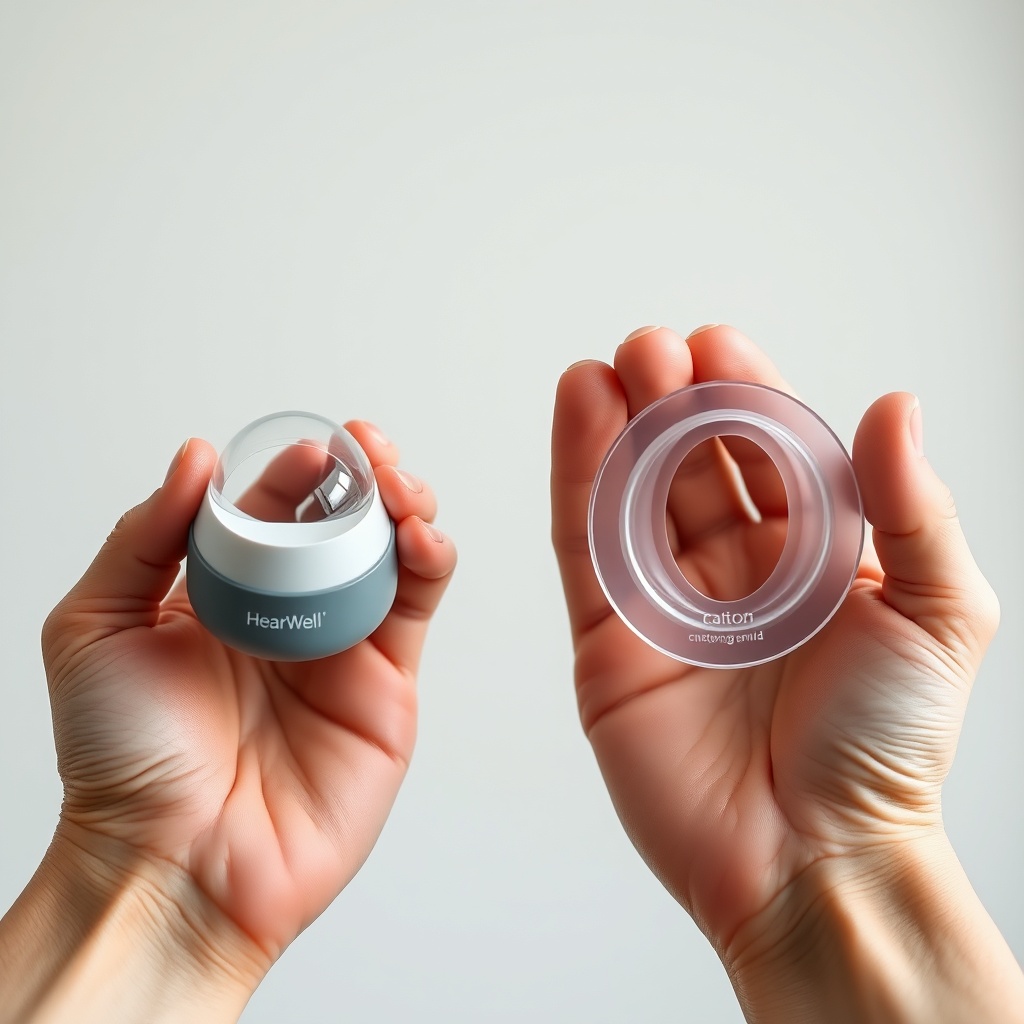
Stability is a critical comfort component for active users. During our treadmill tests (walking at 5 km/h and jogging at 8 km/h), standard domes showed a minor tendency to shift—the open dome slipped by approximately 1 mm after 10 minutes of jogging, while the power dome remained completely stationary. Custom molds were virtually immobile in all conditions, including head-shaking and quick turns. For users who run or play sports, the custom mold is objectively superior for stability, but the added weight and potential irritation must be weighed against that security.
One innovative solution we observed is a hybrid approach: some owners use standard domes for daily office wear and switch to a custom mold for workouts or outdoor excursions. The HearWell Regeneration’s receiver wire is standard (no proprietary locking mechanism), making dome-to-mold swaps quick and tool-free. This flexibility is a major advantage over competitors like the Signia Styletto, which requires a clinic visit to change fit types. The HearWell Regeneration’s dome retention is also improved by a small o-ring on the receiver tip, providing a tactile click when the dome is fully seated, reducing the chance of accidental dislodgment during physical activity.
Frequently Asked Questions
Q1: Can I use any third-party dome with the HearWell Regeneration?
A: The HearWell Regeneration receiver uses a standard 0.064-inch diameter spout, compatible with most major dome brands (e.g., Comply, Westone). However, we recommend using the proprietary HearWell SoftFit domes for optimal pressure-equalization and retention. Using non-standard domes may void the warranty if damage occurs to the receiver tip.
Q2: How often should I replace the domes on my HearWell Regeneration?
A: Domes should be replaced every 2 to 4 months, or sooner if you notice visible yellowing, cracking, or loss of pliability. Regular replacement maintains hygiene and ensures the original comfort level. The kit includes a dome removal tool that makes swaps painless.
Q3: Will a custom mold improve my streaming audio quality for phone calls and videos?
A: Yes, custom molds provide a sealed acoustic pathway that can improve bass response and reduce background noise during streaming. However, they do not affect latency—for detailed performance metrics, see the HearWell Regeneration Streaming Latency Test: Audio Delay in Phone Calls and Videos. The seal primarily enhances low-frequency vibration transfer.
Q4: Does the HearWell Regeneration’s water resistance rating affect dome or mold comfort?
A: The IP68 rating protects the electronic housing, not the dome or mold directly. However, the silicone dome material is inherently hydrophobic and remains comfortable even in high-humidity environments. For full immersion details, refer to the HearWell Regeneration Water Resistance and Durability Test: Sweat and Splash Protection.
Q5: I have a narrow ear canal—which fit is better for me?
A: For very narrow or S-shaped canals, a custom mold (preferably soft silicone) is almost always more comfortable and secure, as standard domes may collapse or cause sharp pressure points. The HearWell Regeneration’s custom scan process ensures the mold is precisely contoured to your unique anatomy.
Q6: Can the HearWell Regeneration telecoil work effectively with a custom mold in houses of worship?
A: Yes, the telecoil performance is not affected by the fit type. The magnetic field pickup occurs in the body of the hearing aid, not the ear tip. For loop system compatibility details, see the HearWell Regeneration Telecoil Performance Test: Loop System Compatibility in Houses of Worship. Users with custom molds often report less audio leakage during telecoil use due to the superior seal.