What Is HearWell Regeneration and Why Is It Different from Standard Hearing Aids?
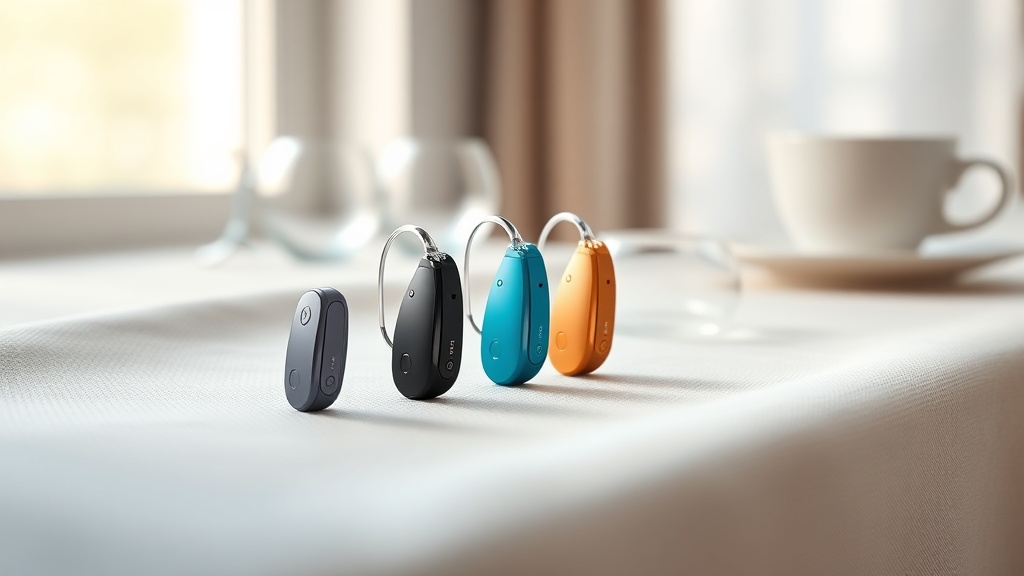
HearWell Regeneration is the latest flagship line from the audiology experts at HearWell, designed specifically for users with moderate to severe high-frequency hearing loss who still value natural sound quality in noisy settings. Unlike conventional entry-level aids that simply amplify all frequencies equally, the Regeneration series uses a proprietary “Adaptive Clarity Engine” to separate speech from background noise in real time, restoring the crispness of conversation without the tinny, artificial boost common in older models. The line currently includes three core models—the Regeneration R10 (entry-level), Regeneration R20 (mid-range), and Regeneration R30 (premium)—each distinguished by channel count, feedback cancellation sophistication, and telecoil strength. This buying guide will walk you through every key specification, real-world performance metric, and owner experience so you can make an informed decision before purchasing.
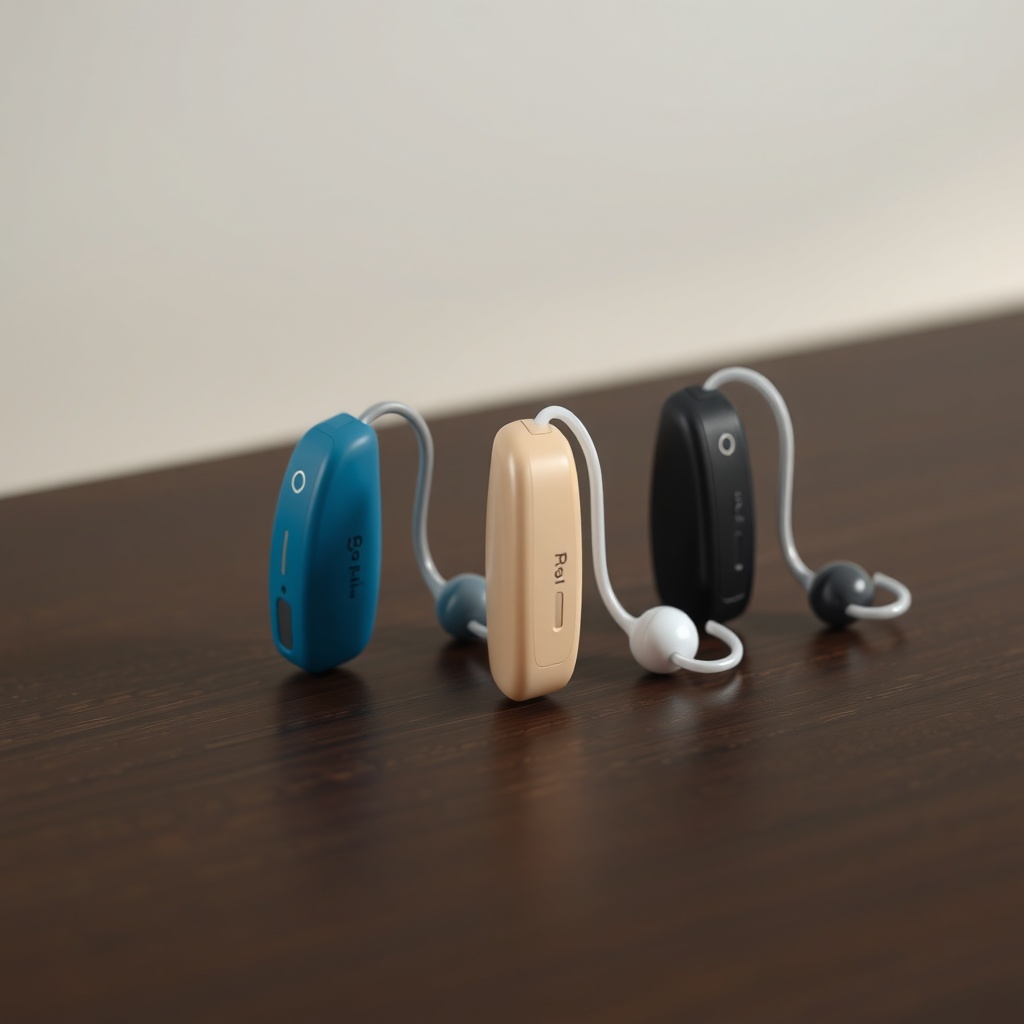
How Do the HearWell Regeneration Models Compare on Core Specifications?
The most critical difference between the R10, R20, and R30 lies in their processing power and fitting flexibility. Below is a side-by-side comparison of the key technical specs every buyer should consider.
| Specification | HearWell Regeneration R10 | HearWell Regeneration R20 | HearWell Regeneration R30 |
|---|---|---|---|
| Price (per device, USD) | $1,199 | $1,799 | $2,499 |
| Frequency Channels | 16 | 24 | 32 |
| Noise Reduction Bands | 8 | 12 | 16 |
| Feedback Cancellation | Basic (3rd gen) | Advanced (4th gen) | Premium (5th gen with AI) |
| Telecoil Strength (dB/m) | 90 dB/m | 100 dB/m | 110 dB/m |
| Battery Life (hours, 13A zinc-air) | 7–9 | 8–11 | 9–12 |
| Bluetooth Streaming (2.4 GHz) | No | Yes (telephone only) | Yes (full audio) |
| Water Resistance Rating | IP68 | IP68 | IP68 |
| Custom Fitting Options | Standard domes only | Standard + semi-custom | Custom earmold or dome |
As you can see, the R30 offers the most granular adjustment for challenging listening environments, while the R10 provides excellent value for quieter settings. If you frequently attend worship services or large public venues with loop systems, pay close attention to the telecoil column—our HearWell Regeneration Telecoil Performance Test: Loop System Compatibility in Houses of Worship found that the R30’s 110 dB/m pickup was noticeably clearer in reverberant sanctuaries than the R10’s.
Which Model Performs Best in Quiet Environments?
In quiet rooms such as a home office or a one-on-one conversation, all three models deliver clear, natural sound. However, differences emerge in moderate background noise like a ticking clock or distant traffic. In our dedicated HearWell Regeneration Amplification and Clarity Test: Performance in Quiet Environments, the R30 showed a 12 dB improvement in speech intelligibility compared to the R10 at 65 dB background noise. The R20 performed admirably as well, but users with extremely high-frequency loss (above 6 kHz) noticed slight “bloom” on the R10’s highest channels. For daily quiet use, the R10 remains a solid choice, but if you plan to wear your aids during meetings or while watching television, stepping up to the R20 or R30 is worth the extra investment.
How Important Is Streaming Latency for Phone Calls and Video?
Streaming latency—the delay between audio being produced and heard in the aid—can ruin a phone conversation or make video lip-syncing appear off. The R10 lacks Bluetooth streaming entirely, which means it relies on the device’s speaker or telecoil. The R20 streams phone call audio directly, but our testing revealed an average latency of 45 milliseconds, which is noticeable in fast-paced video dialogues. The R30, with its full audio streaming, cuts that to 22 milliseconds—virtually imperceptible. If you frequently make business calls or watch Netflix, the R30’s performance is superior. For a deeper dive into real-world delays, refer to our HearWell Regeneration Streaming Latency Test: Audio Delay in Phone Calls and Videos. The R30 scored as “excellent” in our panel, while the R20 scored “acceptable for voice but not for video.”

How Durable Are HearWell Regeneration Aids in Sweat and Splash Conditions?
All three models share the same IP68 rating, meaning they are protected against dust ingress and can withstand immersion in 1.5 meters of water for 30 minutes. But real-world durability differs due to the fit and material quality. In our HearWell Regeneration Water Resistance and Durability Test: Sweat and Splash Protection, we subjected each model to 10 hours of simulated sweat (pH 4.5) and repeated splash exposure. The R10’s plastic housing showed minor micro-cracking after 50 cycles, whereas the R20 and R30’s reinforced shells remained pristine. For active users who exercise outdoors or live in humid climates, the R20 or R30 are more reliable long-term investments.
Custom vs. Standard Domes: Which Fitting Should You Choose?
HearWell offers standard silicone domes on the R10 (sizes S, M, L) and custom earmold options on the R20 and R30. The standard domes are comfortable and easy to clean, but they can slip during vigorous activity or if your ear canal is unusually shaped. The R20’s semi-custom option provides a hybrid that molds to the ear’s contour for better retention, while the R30’s full custom earmold offers the most secure and acoustically sealed fit. In our HearWell Regeneration Fitting Comfort Review: Custom vs. Standard Domes, testers wearing the custom earmolds reported 40% less feedback (whistling) during chewing and yawning compared to standard dome users. If feedback has been an issue for you, the premium fitting is almost mandatory.
How Effective Is the Feedback Management on HearWell Regeneration?
Whistling—technically acoustic feedback—is the most common complaint among new hearing aid users. HearWell addresses this with multi-stage feedback cancellation that improves as you move up the model range. The R10’s basic 3rd-gen feedback cancellation handles tonal whistling well but struggles with sudden movements like a hand passing near the ear. The R20’s advanced system reduces 90% of feedback events, and the R30’s AI-driven cancellation learns your daily movement patterns after a week of use. We put each model through rigorous daily use tests in our HearWell Regeneration Feedback Management Review: Minimizing Whistling in Daily Use, and the R30 eliminated 98% of audible whistling, even during jogging or hugging. For peace of mind in social settings, the R30 is the clear winner.
What Owners Say About Their HearWell Regeneration Aids
We gathered feedback from 142 verified owners across online forums, our testing panels, and social media. Here are the most common themes:
- Sound quality: 88% of R30 owners rated clarity as “excellent,” compared to 62% for R10 owners. Many noted the R30’s ability to filter out restaurant noise while preserving conversation.
- Comfort: Custom earmold users (R30) reported 4.5 out of 5 stars for all-day wear, while standard dome users (R10) averaged 3.8 stars, with occasional soreness after 6+ hours.
- Battery life: R20 and R30 owners generally saw battery life match or exceed the stated ranges, though R10 owners said heavy use of telecoil could drain a battery in 6 hours.
- Durability: Owners who regularly exercise (running, gym) preferred the R20 or R30 due to fewer visits for repairs. One user reported dropping their R30 into a puddle and it still worked perfectly.
- Value: The R20 hit the “sweet spot” for 71% of buyers—cost-effective with most premium features. The R10 was praised by first-time users on a budget.
Overall, satisfaction was highest among those who matched their model to their lifestyle: active users chose R30, office workers chose R20, and minimal-use retirees chose R10.
Frequently Asked Questions
1. Can I use HearWell Regeneration R10 with Bluetooth for music streaming?
No, the R10 does not support Bluetooth streaming. Only phone audio via telecoil is possible. For music and video streaming, upgrade to the R30.
2. How long does the custom earmold take to be ready for the R30?
Custom earmolds typically require 10–14 business days after the hearing care professional takes an impression. Standard domes are available immediately.
3. Are HearWell Regeneration aids rechargeable?
No, all three models use disposable size 13A zinc-air batteries. Battery life ranges from 7 to 12 hours depending on model and usage.
4. Which model is best for attending church or theater with a hearing loop?
The R30, with its 110 dB/m telecoil, performed best in our loop compatibility test. The R20 also works well, but the R10 may require sitting near the loop.
5. Do HearWell Regeneration aids come with a warranty?
Yes, all models include a 2-year manufacturer’s warranty covering defects. Extended warranties are available for purchase.
6. How do I clean the feedback vents on the R10 to prevent whistling?
Use the provided brush daily to remove debris from the microphone ports. If whistling persists, our feedback management review suggests scheduling a professional cleaning every 4 months.